OPINION
Stuck in a conflict with Hamas, Israel appears weakened, while Iran and its proxies, such as the Lebanese Hezbollah, have sufficient strength to seize the moment and deliver a powerful blow. Additionally, the escalation could drive up oil prices, which would also benefit Iran. However, according to Frank Ledwidge, the decisive actions of the United States, deploying an unprecedentedly powerful force in the region, signal to Iran that the cost of such an attack would be the destruction of the entire infrastructure of Lebanon and Iran by the U.S. Air Force, with unpredictable domestic consequences for Iran.
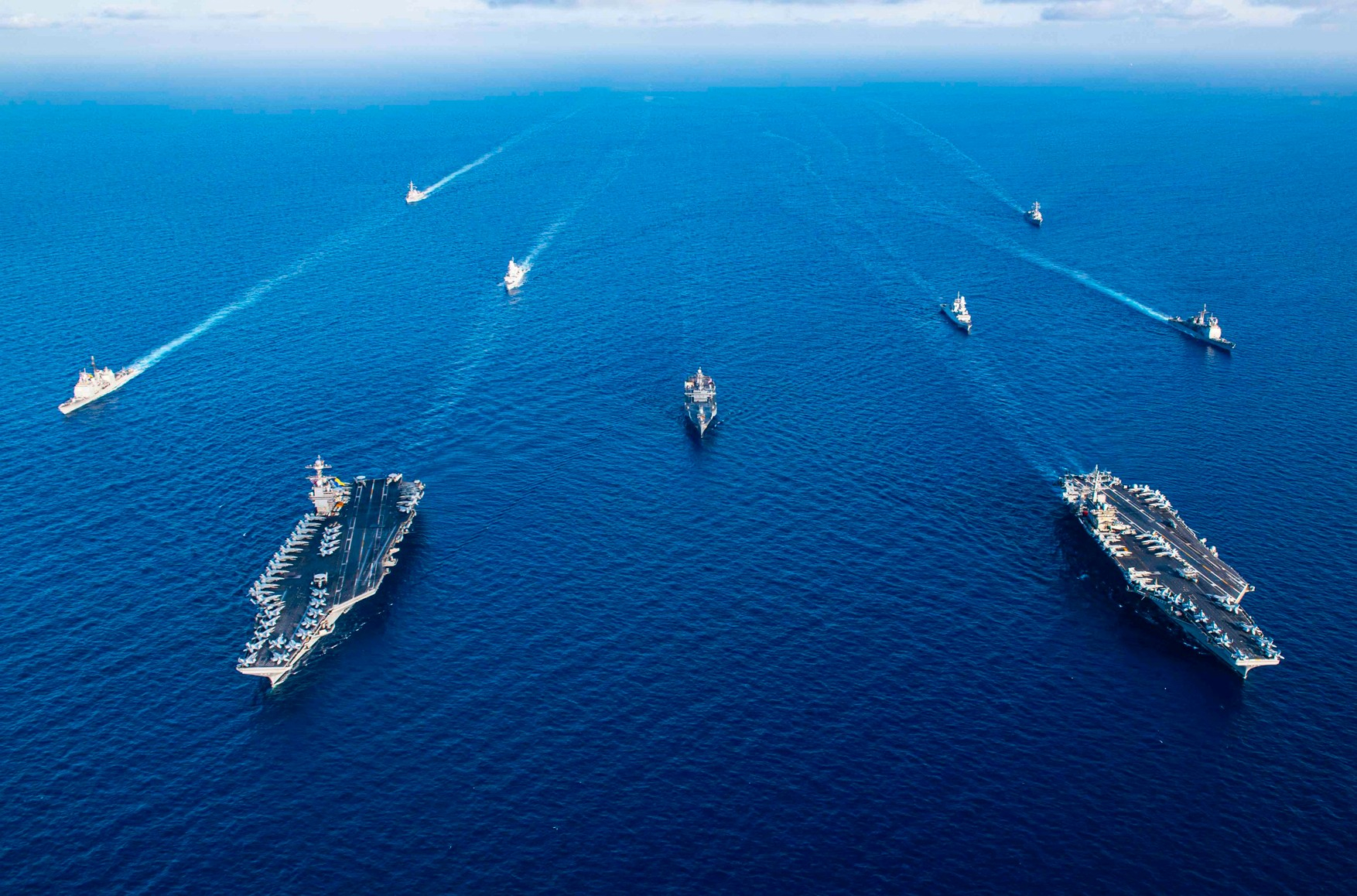
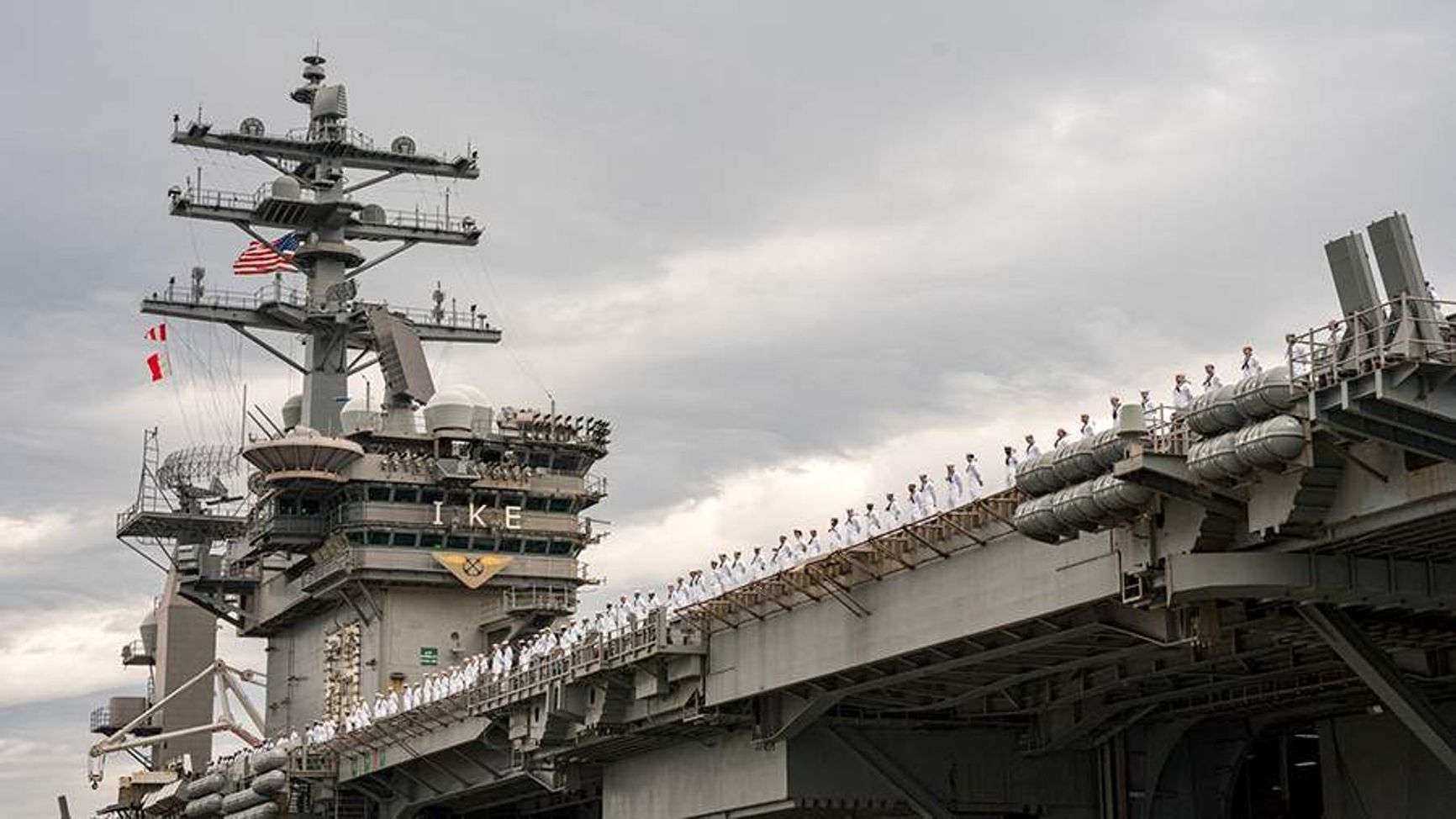
One approach to try to ensure non-escalation is paradoxically to increase the force levels in the region, is deterrence. The US has deployed two aircraft carrier groups (three if we include an Amphibious Ready Group complete with 2000 Marines). These ships alone deploy far more combat aircraft than the entire British Royal Air Force. In addition the US Air Force has sent several squadrons of fighters and strike aircraft including F 35, F 15 and A 10 attack aircraft.
Furthermore, the US has announced the sending of THAAD ballistic missile defence interceptors. These systems demonstrate the concern US commanders feel. Iran is the only country in the region possessing an effective ballistic missile force, the kind of weapons THAAD is designed to deal with. Iran is already involved in the conflict, but only through the use of its proxy army Hezbollah. The most serious military risk of escalation comes from Iran.
The decision as to whether this chain of events is begun lies with Hassan Nasrullah the leader of Hezbollah. He will be heavily influenced by his sponsors and paymasters in Iran. Nasrullah is a survivor and very skilled political operator. With considerable Iranian help, he built Hezbollah from a local terrorist group based – as it is now – in Southern Lebanon in the early-mid 1980s into the most formidable Arab force facing Israel.
Nasrullah built Hezbollah from a local terrorist group into the most formidable Arab force facing Israel
The very fact that he has managed to survive through all these years is testament to his skills, and the resilience of his organization in general. He is certainly at the very top of Israel’s target list. He sees himself now, and has done for some time, as part of an anti-Israeli “resistance axis“, composed of Iran and Sunni Islamist groups such as Hamas.
Nasrullah and Iran are weighing the costs and consequences of striking Israel at what may seem its weakest time. However, they fully understand the dangers. The immediate strategic result would be the effective destruction of Lebanon as a modern state. In 2006, Israeli air attacks devasted much of Lebanon’s infrastructure. Nasrallah is fully aware too that full commitment to the fight would ultimately result in the end of Hezbollah as an effective force, blasted and battered by Israel and US air power.
If Iran were to follow Hezbollah into war, it would probably act quickly. It has the capability of causing great damage to its neighbors and the regional and global economy. Oil prices would rise for a start, as supplies would be severely restricted from all the Gulf oil states. However, Iran would also face a catastrophic response by the US and Israeli air forces as well as other western air forces such as the UK’s RAF and the French air force, along with the large Saudi and Gulf states air forces.
Iran has the capability of causing great damage to Israel but in that case it would also face a catastrophic response by the US and Israeli air forces
This would have deeply unpredictable internal political consequences. Right now the military assessment seems to be that setting off such a series of events is probably not currently in Iranian interests. Both Hezbollah and Israel are conducting limited combat operations against each other to the Lebanese border regions. However, if the level of devastation and killing in Gaza becomes politically intolerable, the pressure on Hezbollah to assist their allies in the “resistance axis” could arrive at the point where Hezbollah has little choice.
So as the American aircraft carriers sail along the coasts of the Eastern Mediterranean, and the ground and air crews prepare their aircraft at the bases all over the Middle East, we must hope that their presence will deter Hezbollah from making that fateful decision.
К сожалению, браузер, которым вы пользуйтесь, устарел и не позволяет корректно отображать сайт. Пожалуйста, установите любой из современных браузеров, например:
Google Chrome Firefox Safari